













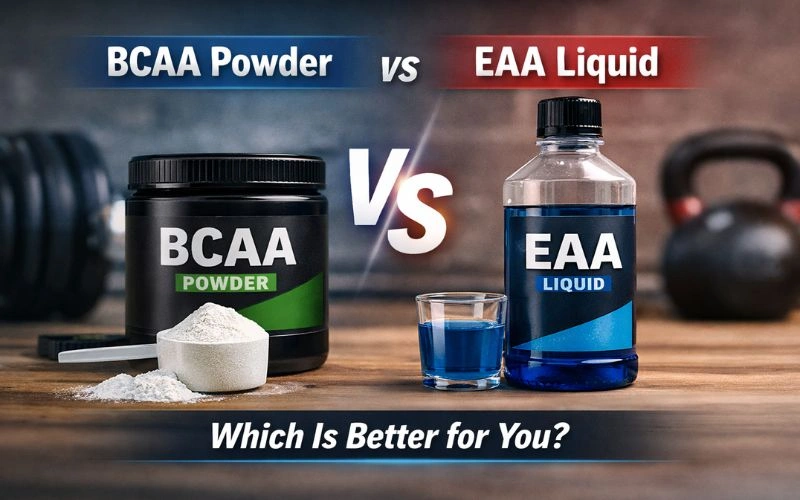
Choosing the right amino acid supplement can feel confusing, especially when comparing BCAA powder vs EAA liquid. Both are popular among gym-goers, athletes, and fitness beginners, yet they serve slightly different purposes depending on your training intensity, nutrition, and recovery needs.
This guide breaks down the real differences in a clear, practical way without hype so you can decide which option fits your goals best.
Table of Contents
What Are BCAAs and EAAs?
Branched-Chain Amino Acids (BCAAs) consist of three essential amino acids: leucine, isoleucine, and valine. These are directly involved in muscle protein synthesis and energy production during workouts.
Essential Amino Acids (EAAs), on the other hand, include all nine amino acids the body cannot produce on its own. This makes EAAs more comprehensive for overall muscle repair, recovery, and performance support.
BCAA Powder: Benefits and Limitations
BCAA powder helps reduce muscle breakdown and support workout endurance, but it lacks all essential amino acids needed for complete muscle recovery.
Key Benefits of BCAA Powder
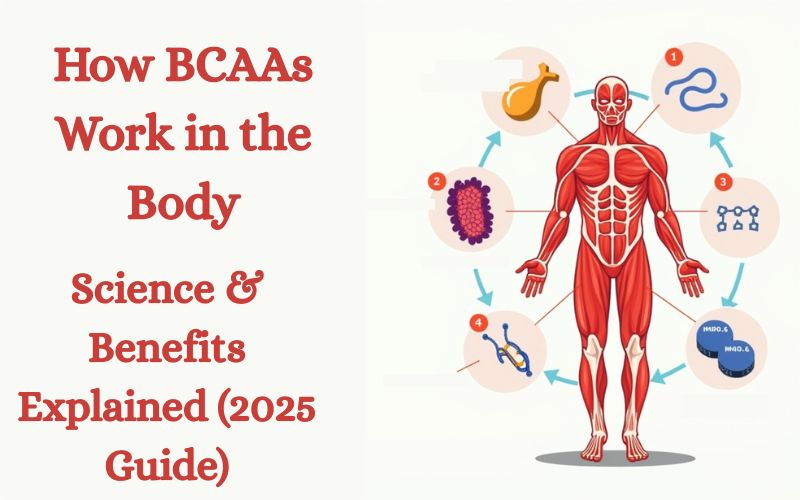
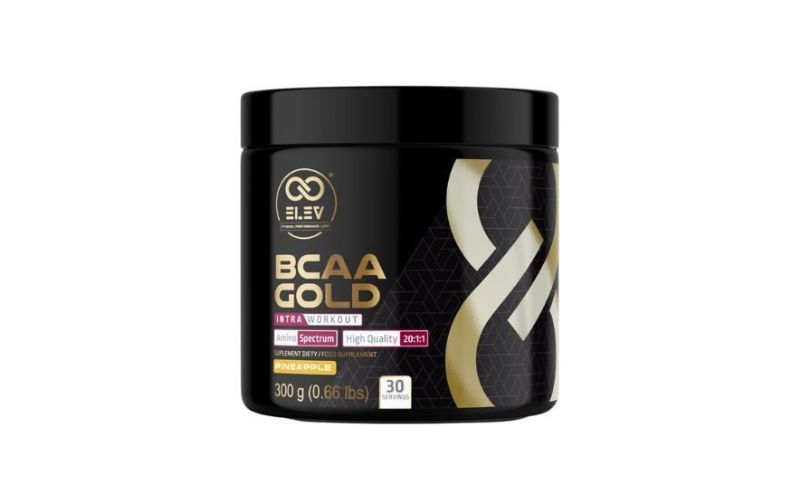
BCAA powder is commonly used for intra-workout support, especially during intense or long training sessions. It helps reduce muscle breakdown, supports endurance, and may lower post-workout soreness when taken consistently. Products like Elev BCAA Gold 300g provide a convenient source of branched-chain amino acids, with leucine playing a critical role in triggering muscle protein synthesis and preserving lean muscle during workouts. This overview of how BCAAs function once they enter the body covers the mechanism in more depth.
BCAA powder is also cost-effective, easy to mix, and available in many flavors, making it a convenient option for regular training sessions.
Limitations of BCAA Powder
Despite those advantages, BCAA powder is not without gaps. While helpful, BCAAs alone do not provide all the building blocks required for full muscle repair. If your diet is low in protein, relying solely on BCAAs may limit recovery benefits.
This is where the BCAA powder vs EAA liquid comparison becomes important for serious training goals.
EAA Liquid: Benefits and Limitations
EAA liquid provides complete amino acid support and faster absorption for recovery, but it is usually more expensive and may have a stronger taste than powders.
Key Benefits of EAA Liquid
Building on that trade-off, here is what EAA liquid actually offers in return for the higher price. EAA liquid formulas provide all nine essential amino acids, supporting complete muscle protein synthesis. Because they are liquid, absorption is often faster, making them ideal during fasted training or intense workouts.
EAA liquids are especially useful for athletes, endurance trainers, and individuals with high recovery demands or calorie-restricted diets.
Limitations of EAA Liquid
On the downside, EAA liquid supplements are usually more expensive and may have a stronger taste due to their amino acid profile. Some users may also prefer powders for flexibility in dosing.
BCAA Powder vs EAA Liquid: Key Differences
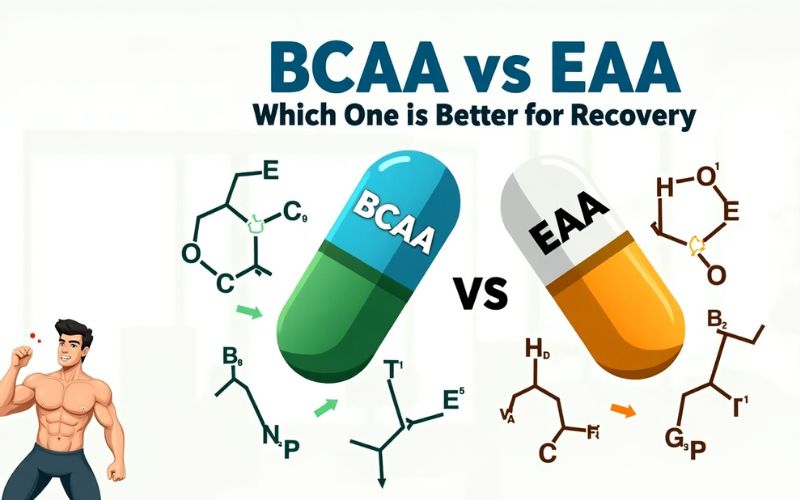
The main difference in how BCAAs and EAAs compare for recovery lies in completeness and absorption. BCAAs focus on reducing muscle breakdown and supporting energy, while EAAs provide full recovery support by supplying all essential amino acids.
If you already consume adequate protein through food or whey protein, BCAA powder can complement your routine. However, if protein intake is inconsistent or training demands are high, EAA liquid may offer greater overall benefits.
Which Is Better for Muscle Growth?
Beyond general recovery, muscle growth specifically comes down to one key factor: completeness. Muscle growth depends on complete amino acid availability. EAAs have an advantage here because muscle protein synthesis cannot be fully completed without all essential amino acids.
BCAAs still play a role by stimulating the process, but EAAs help finish it. This distinction is critical when evaluating BCAA powder vs EAA liquid for long-term hypertrophy goals.
Which Is Better for Fat Loss and Fasted Training?
Training on an empty stomach adds another layer to this decision. During calorie deficits or fasted workouts, muscle preservation becomes a top priority. In such situations, EAA liquid formulas are often preferred because they provide complete essential amino acid support without adding heavy calories or digestive load. This look at whether amino acids break an intermittent fast is worth reading if you train fasted regularly.
Products like Elev BCAA Pro help supply all essential amino acids needed to protect lean muscle when overall nutrition is limited. While BCAA powder can still reduce muscle breakdown, EAAs offer broader and more complete muscle protection, making them a better choice during cutting phases or fasted training.
Taste, Convenience, and Absorption
Beyond the science, day-to-day usability often decides which product someone actually sticks with. When it comes to taste and affordability, BCAA powders often have the advantage, making them a popular daily-use option for many gym-goers. Products like Rule 1 BCAA are easy to mix, budget-friendly, and enjoyable to sip during workouts. On the other hand, EAA liquids stand out for their faster absorption and complete amino acid profile. Athletes who train early in the morning or between meals often prefer EAA liquid because it provides quick amino acid availability without relying on digestion from solid food. This helps with how amino acids delay training fatigue during longer or more demanding sessions.
This practical difference further shapes the BCAA powder vs EAA liquid decision based on lifestyle rather than just science.
Who Should Choose BCAA Powder?
Pulling the comparison together, BCAA powder tends to suit:
- Regular gym-goers with adequate protein intake
- Beginners focusing on workout endurance
- Those seeking budget-friendly supplementation
- Users who already consume whey protein regularly
Who Should Choose EAA Liquid?
On the other end of that spectrum, EAA liquid tends to suit:
- Advanced athletes and endurance trainers
- Individuals training fasted
- People on calorie-restricted or low-protein diets
- Those prioritizing faster recovery and muscle repair, an area this guide to getting the most recovery benefit from amino acids covers in more detail
Safety and Usage Considerations
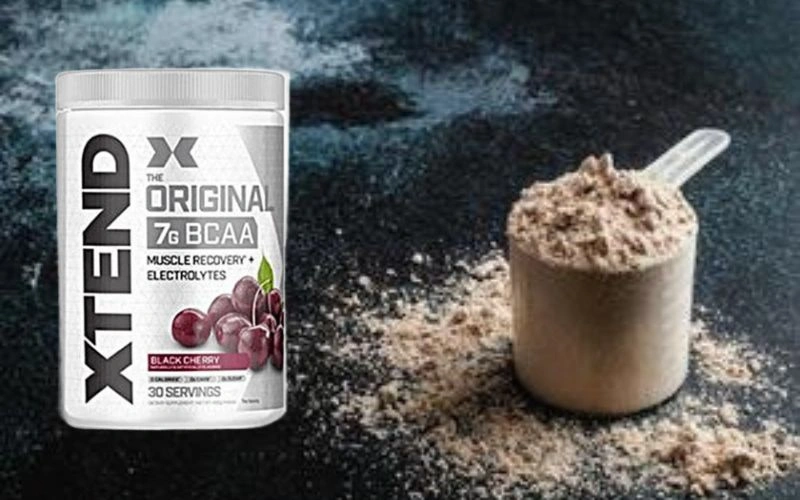
Both BCAA powders and EAA liquids are generally safe when used responsibly and according to recommended dosages. Quality products such as Scivation Xtend Elite BCAA are designed for regular training support, but overuse does not translate into better results. Long-term progress depends far more on consistency, overall diet quality, proper hydration, and a well-structured training program than on increasing supplement quantity. If soreness is a recurring issue, this look at easing muscle soreness with amino acids is worth pairing with either option.
FAQs
To wrap up, here are quick answers to the questions people ask most often when choosing between these two.
Are EAAs better than BCAAs?
EAAs are more complete because they provide all nine essential amino acids required for full muscle protein synthesis. BCAAs are still beneficial but work best when overall protein intake from food or supplements is already adequate.
Can I take BCAAs and EAAs together?
Usually, combining BCAAs and EAAs is unnecessary because EAAs already contain branched-chain amino acids. Stacking both typically offers little additional benefit and may simply increase cost without improving performance or recovery for most people.
Which is better during workouts?
BCAA powder is commonly used during workouts to support endurance and reduce muscle breakdown. EAA liquid is often preferred for fasted training or particularly intense sessions where complete amino acid support is needed quickly.
Do beginners need EAAs?
Not always. Beginners who follow a balanced diet and consume enough protein often get sufficient amino acids from food or whey protein. In such cases, BCAA powder may be enough to support early training and recovery.
Are liquid amino acids absorbed faster?
Yes, liquid amino acids generally absorb faster than powders because they require less digestion. This makes EAA liquid especially useful when rapid amino acid delivery is needed during or immediately after training sessions.
Conclusion: Choosing the Right Option
When deciding between BCAA powder vs EAA liquid, the best choice depends on your diet, training intensity, and recovery needs. Neither is “better” for everyone, each serves a specific purpose within a balanced fitness routine.
At Nutritional World, we offer quality-checked amino acid supplements to support every fitness level, including options with verified halal-compliant certification for buyers who need it. Whether you prefer BCAA powder for daily workouts or EAA liquid for advanced recovery, you will find trusted options tailored to your goals.
Explore premium BCAA and EAA supplements at Nutritional World and support your performance with confidence, quality, and science-backed nutrition.