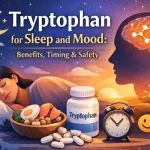














Tryptophan and serotonin are two closely connected biological players that significantly influence human mood, sleep, cognition, and overall mental well-being. In recent years, scientific research, especially evidence from human and animal studies, has shown that the interaction between dietary tryptophan, brain chemistry, and the gut brain axis may be far more powerful than previously believed. Understanding this relationship can help individuals optimize mental health naturally and safely.
Table of Contents
What Are Tryptophan and Serotonin?
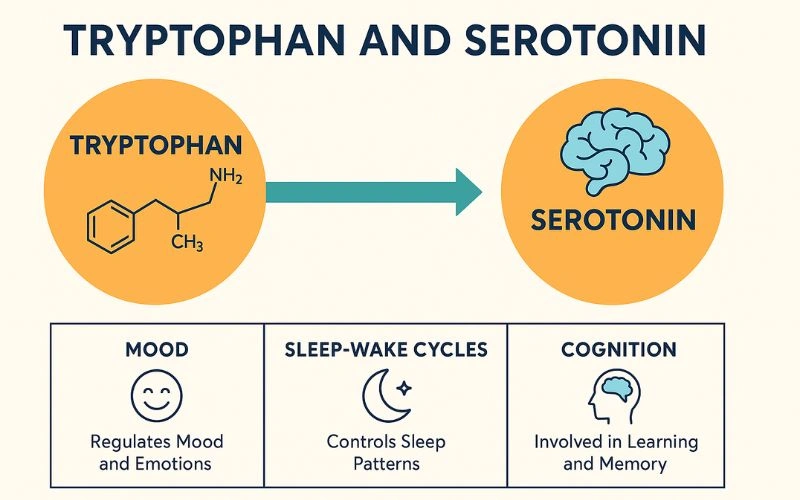
Tryptophan is an essential amino acid that the body cannot produce on its own. It must be obtained through diet or supplementation. Once absorbed, tryptophan serves as a precursor to serotonin, a neurotransmitter often called the “feel-good chemical”. Serotonin regulates:
- Mood and emotional stability
- Sleep-wake cycles
- Appetite
- Cognitive functions such as memory and learning
Because of this, any fluctuation in tryptophan levels can directly influence serotonin production and, consequently, mental health.
Serotonin Pathway vs. Kynurenine Pathway
Tryptophan metabolism follows two major pathways:
1. Serotonin Pathway
A portion of tryptophan is converted into serotonin and then melatonin, supporting mood and sleep.
2. Kynurenine Pathway
The majority of tryptophan (over 90%) is diverted into the kynurenine pathway. Under stress, inflammation, or illness, more tryptophan shifts toward kynurenine instead of serotonin.
This shift can lead to:
- Reduced serotonin availability
- Increased neuroinflammation
- Higher risk of anxiety and depressive symptoms
Therefore, maintaining healthy tryptophan metabolism is essential for stable serotonin functioning.
Mood and Cognition After Tryptophan Depletion
Researchers use Acute Tryptophan Depletion (ATD) to study serotonin’s effect. In ATD, participants consume amino acids without tryptophan, causing a rapid drop in brain serotonin levels.
Scientific findings show that tryptophan depletion can lead to:
- Lower mood and increased irritability
- Reduced attention and memory performance
- Higher emotional sensitivity
- Increased stress reactivity
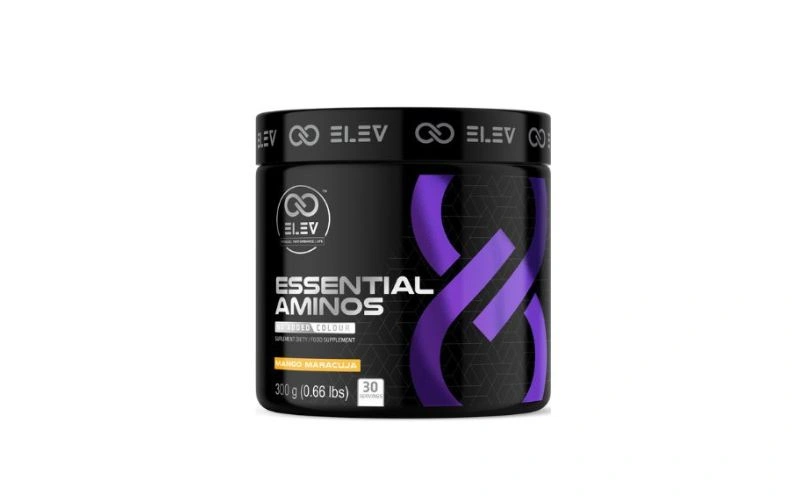
People with a history of depression, anxiety, or mood instability show stronger negative responses to depletion, confirming serotonin’s critical role in emotional regulation. To support amino acid balance, products like Elev Essential Aminos may help maintain overall wellbeing when used alongside a healthy lifestyle
Manipulation of Tryptophan Levels: Depletion and Supplementation
Adjusting tryptophan levels can influence mood, sleep, and serotonin balance.
Tryptophan Supplements
Supplementation can increase serotonin levels, improve sleep, and support mood. Studies suggest benefits for:
- Mild depression
- Sleep disorders
- PMS-related mood fluctuations
- Stress management
Typical safe dosage ranges between 500–2000 mg per day, depending on health status and professional guidance.For those looking to support mood, energy, and overall wellbeing, a formula like Core Champs Nitrix Xtreme may complement their routine when used responsibly
Caution:
Tryptophan should not be taken with antidepressants (SSRIs, MAOIs) due to the risk of serotonin syndrome, a potentially dangerous condition.
Tryptophan, Serotonin, and the Gut–Brain Axis
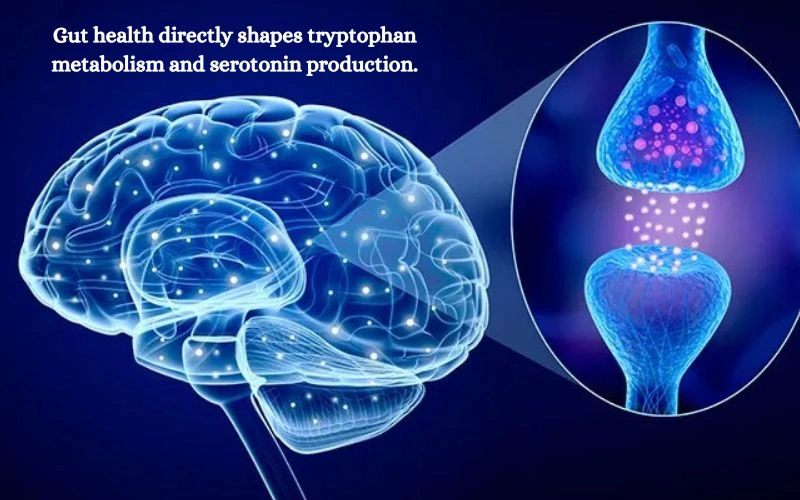
Nearly 90% of the body’s serotonin is produced in the gut, not the brain. The gut microbiota plays a major role in converting tryptophan into serotonin. This means gut health directly influences mental health.
Important interactions include:
- Gut bacteria regulate tryptophan absorption.
Healthy gut flora boosts serotonin production; dysbiosis reduces it. - Inflammation in the gut diverts tryptophan to the kynurenine pathway, lowering mood-related serotonin levels.
- Diet heavily impacts gut-driven serotonin production, making nutritional choices essential for mental well-being.
The gut-brain axis shows why people with irritable bowel syndrome (IBS), gut inflammation, or poor diets often experience anxiety, low mood, or sleep problems.
Evidence from Human Studies
Multiple clinical trials demonstrate that improving tryptophan intake can:
- Enhance mood in individuals with mild-to-moderate depression
- Reduce stress and anxiety levels
- Improve cognitive flexibility and attention
- Support better sleep through melatonin production
Conversely, depletion studies confirm that low tryptophan can worsen mood and impair cognitive functions.
Humans with genetic vulnerability to depression or anxiety are especially sensitive to changes in serotonin levels.
Evidence from Animal & Preclinical Studies
Animal research provides deeper insight into mechanisms such as:
- Changes in behavior due to alterations in gut bacteria
- Serotonin regulation via dietary and environmental factors
- Immune system modulation and neuroinflammation
- Impact of stress hormones on tryptophan pathways
These studies reinforce the idea that serotonin is not just a brain chemical but a whole-body signaling system influenced by lifestyle and nutrition.
Dietary Sources of Tryptophan
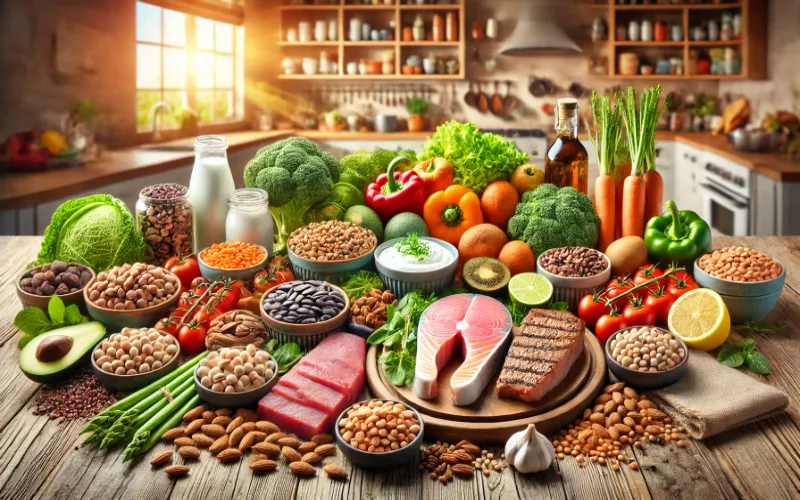
Foods rich in tryptophan include:
- Eggs
- Dairy products
- Chicken and turkey
- Salmon
- Nuts and seeds
- Soy products
- Dark chocolate
Important:
Tryptophan competes with other amino acids for transport into the brain.
Pairing high-tryptophan foods with healthy carbohydrates improves absorption by increasing insulin, which lowers competing amino acids in the bloodstream.
Natural Ways to Boost Serotonin Levels
You don’t always need supplements—natural methods can be equally effective:
1. Diet
High-tryptophan foods + carbs improve serotonin conversion.
2. Exercise
Regular physical activity increases brain serotonin release.
3. Sunlight Exposure
Natural light boosts serotonin production in the brainstem.
4. Healthy Gut Support
Probiotics, fiber-rich foods, and reduced inflammatory foods improve gut serotonin levels.
5. Sleep Optimization
Adequate sleep ensures stable serotonin-melatonin balance.
Who Should Avoid Tryptophan Supplements?
- People on antidepressants
- Individuals with liver or kidney issues
- Pregnant or breastfeeding women (without medical advice)
- Anyone with a history of serotonin syndrome
Always consult a healthcare provider before supplementation.
Conclusion
The connection between tryptophan and serotonin is a foundation of emotional stability, cognitive performance, sleep quality, and gut-brain communication. By understanding how diet, gut health, and lifestyle influence tryptophan metabolism, individuals can make informed decisions to improve mental well-being naturally. Evidence from human and animal research strongly supports that balanced tryptophan intake through food or supplements plays a significant role in regulating serotonin, mood, and overall health. For those looking to explore high-quality wellness solutions, Nutritional World offers trusted products, including Elev Argi Pro, which may complement a healthy lifestyle